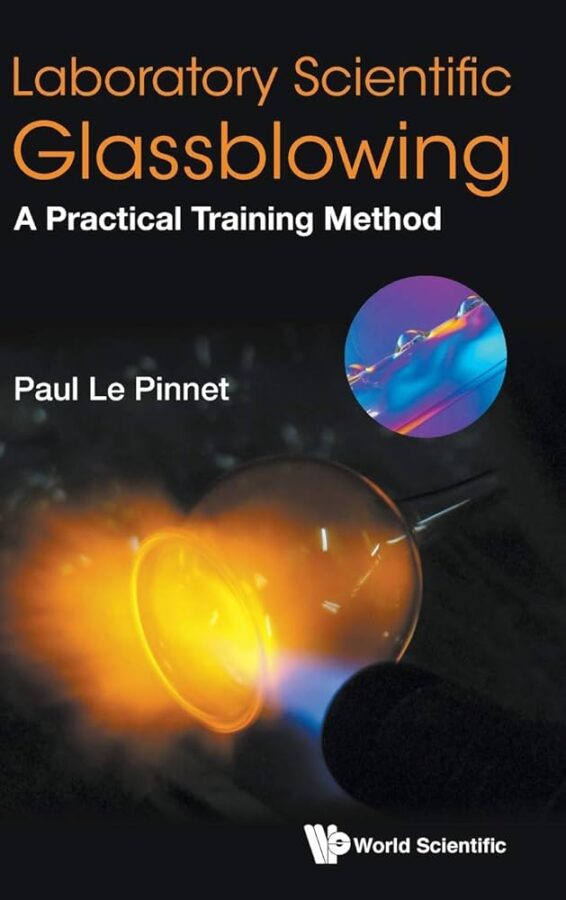
Glass production is a complex process involving the melting of different materials and forming it into a wide variety of shapes and sizes. The elements that go into glass production vary depending on the desired product, but there are some common ingredients that are used in almost all types of glass. This guide will explain the basic components of glass production, as well as the process of transforming them into a finished product.
Ingredients
The primary ingredients in glass production are sand, soda ash, and limestone. Sand is the main component used in glass production and provides the majority of the structure and strength. Soda ash acts as a fluxing agent, which helps to lower the melting temperature of the sand, allowing it to be heated to a higher temperature without breaking down. Limestone is used to help prevent the glass from becoming too brittle and to provide a source of calcium for the finished product.
Process
Glass production begins with the mixing of the ingredients in a furnace that is heated to temperatures in excess of 2,000 degrees Fahrenheit. The molten mixture is then poured into molds, where it is cooled and allowed to solidify. After the glass has cooled, it is cut and polished to the desired shape and size. Finally, the finished product is inspected for quality control before being packaged and shipped out.
Conclusion
Glass production is a complex process that requires the right combination of ingredients and heating temperatures in order to create a strong and durable product. By understanding the essential ingredients, as well as the process of transforming those ingredients into a finished product, it is possible to create a wide variety of glass products.
production
Glass is a transparent or translucent material made by melting together sand, soda ash, and limestone at extremely high temperatures. The molten mixture is then cooled quickly and formed into a variety of shapes. The primary component of glass is silica, which makes up 60-75% of the total composition. The remaining components are soda ash (10-15%), lime (5-10%), and alumina (3-5%). The type of glass produced is determined by the proportions of these ingredients. For example, soda-lime glass uses more soda ash and lime, while borosilicate glass uses more alumina and boron oxide. Different glass types can also be produced using additional metals, such as lead and tin, to alter the properties of the glass.
3 Main Ingredients of Glass: A Guide to Glass Making
Glass is an ancient material that is still used today in a wide variety of applications, from window panes to jewelry. To make glass, three main ingredients are required: silica, soda, and lime.
1. Silica: This is the main ingredient of glass, making up around 70-75% of its composition. Silica is a type of mineral sand, usually found in the form of quartz. It is heated to a high temperature and then fused with other compounds to form glass.
2. Soda: Soda ash, also known as sodium carbonate, is another important ingredient in glass making. It is usually added to reduce the melting point of the silica, making it easier to work with. It also helps to give glass its transparency.
3. Lime: Lime, or calcium oxide, is the third main ingredient of glass. It is added to improve the strength and durability of the glass, as well as to reduce the amount of soda needed. The amount of lime used depends on the type of glass being made and its intended use.
These three ingredients combine to form a molten mixture that is then cooled and formed into the desired shape. The mixture is then reheated and cooled numerous times to further toughen and strengthen the glass. This process is known as annealing and is essential for producing high-quality glass.
How Sand Becomes Glass: The Making Process Explained
Glass is a substance that has been used since ancient times and is still used in modern applications. It is a versatile material that comes in various forms, such as window panes and drinking containers. The process of making glass is complex and involves several steps that must be followed in order to create a desired result.
To make glass, silica sand is first heated to a high temperature of around 2,000 degrees Celsius. This causes the sand to melt and form a liquid called “glass.” The glass is then cooled very quickly, forming a solid. In order to make certain types of glass, other materials may be added during the process, such as iron and soda.
Once the glass is in its molten state, it can be manipulated in order to create the desired shape. This can be done through a variety of methods, including blowing, spinning, and pressing. After the glass has been shaped, it is cooled and hardened.
The process of making glass is an ancient art that has been practiced for centuries. While modern technology has made the process more efficient, the basic steps have remained the same. By understanding the process of how sand becomes glass, one can better appreciate the versatility and beauty of this amazing material.
Step-by-Step Guide to Making Glass: Learn the Process of Glass Creation
Making glass is a complex process that involves a variety of steps. Here is a step-by-step guide to making glass:
1. Gather Materials: The first step in making glass is to gather the necessary materials. These materials include sand, soda ash, limestone, and a heat source.
2. Prepare the Ingredients: The next step is to prepare the ingredients for the glass. This includes grinding the sand and soda ash into a fine powder and adding the limestone.
3. Melt the Ingredients: The ingredients are then melted in a furnace at a temperature of around 2,500 degrees Fahrenheit (1,371 degrees Celsius).
4. Shape the Glass: Once the glass has been melted, it can be shaped into the desired form. This is done by blowing air through a blowpipe to form the glass into the desired shape.
5. Cool and Harden the Glass: The glass is then allowed to cool and harden. This can be done in a variety of ways, including annealing and quenching.
6. Finishing Touches: The glass is then polished and finished with a variety of techniques, including grinding, polishing, and etching.
Making glass is a complex process, but with the right materials and techniques, it can be a rewarding experience.
This guide provides a comprehensive overview of what makes glass and its various properties. It covers the components of glass, how it is formed, and how it can be manipulated to create different types of glass. It is a great resource for those looking to learn more about glass and its many uses.
Overall, this guide is a great introduction to the world of glass. It is informative and detailed, providing a good overview of the materials, processes, and techniques used to create glass. It would be beneficial for anyone interested in glass, from those just learning the basics to those looking to expand their knowledge. I highly recommend this guide to anyone wanting to learn more about glass.
chemistry
Glass is an amorphous solid material formed when molten materials cool and solidify without undergoing any crystalline phase change. The base components of glass are silica, alkalis, and oxides, which form a network of SiO2 molecules. This network is held together by strong bonds, giving glass its strength, durability, and transparency. Additional components, such as alumina, carbonates, and alkaline earths, can be added to glass to alter its temperature of crystallization, color, and other properties.