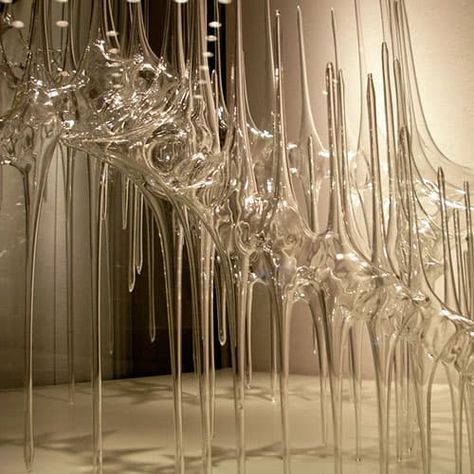
Glassblowing is an art form that has been around for centuries. It is a craft that involves shaping molten glass into a variety of shapes and designs by using a variety of tools and techniques. Glassblowing requires a great deal of energy in order to heat the glass to the correct temperature and maintain the furnace at a constant temperature.
The most common type of energy used in glassblowing is propane. Propane is an extremely efficient fuel source, as it is inexpensive and easy to acquire. It burns cleanly, making it a popular choice for glassblowers.
In order to heat the glass to the correct temperature, the propane must be burned at a specific rate. This rate is determined by the size and type of glass being used, as well as the temperature that is desired. The rate of fuel consumption is typically measured in BTUs (British Thermal Units) per hour. The amount of energy used to heat the glass is generally around 100-150 BTUs per hour.
In addition to the energy used to heat the glass, a glassblower must also consider the energy used to maintain the furnace. This energy is generally around 10-20 BTUs per hour.
Overall, the amount of energy used to make glassblowing depends on the size and type of glass being used, as well as the temperature desired. On average, a glassblower can expect to use around 110-170 BTUs per hour in order to heat the glass and maintain the furnace.
blowing
Glassblowing is an ancient art form which involves forming molten glass into shapes and objects by blowing air through a hollow tube. It requires a great deal of energy to heat the glass to its softening point, which typically requires temperatures of up to 1,700°C. This energy is usually provided by gas or electric furnaces, or a combination of both. The energy used to make glassblowing can also be used to heat up the tools and anneal the glass after it has been formed. In addition to the energy required to heat the glass, additional energy is needed to run the cooling fans, lighting, and other equipment that may be used during the glassblowing process.
How Much Energy Does it Take to Melt Glass? | Get the Facts Now
Molten glass is created by heating glass in a furnace to temperatures between 1,500 and 1,600 degrees Celsius (2,732 and 2,912 degrees Fahrenheit). Depending on the type of glass, the amount of energy required to melt glass can vary.
Generally speaking, the energy required to melt glass depends on the glass composition, its thermal conductivity, and the temperature of the furnace. For example, a glass with a higher thermal conductivity will require less energy to melt than a glass with a lower thermal conductivity. Additionally, the higher the temperature of the furnace, the more energy will be required to melt the glass.
In general, heat energy is needed to break the strong bonds between glass particles. Once the glass is heated up to the required temperature, it enters the liquid phase and becomes molten glass. Depending on the type of glass, the amount of energy required to melt glass can range from 5 kWh/kg to 15 kWh/kg.
For example, soda-lime glass typically requires 8-10 kWh/kg of energy to melt, while borosilicate glass requires 11-15 kWh/kg of energy to melt.
In conclusion, the amount of energy required to melt glass depends on the type of glass and the temperature of the furnace. Generally speaking, the energy required to melt glass can range from 5 kWh/kg to 15 kWh/kg.
How Much Energy Does It Take to Make Glass? – A Guide to Glass-Making & Energy Use
Glass-making is an energy-intensive process, requiring large amounts of heat to melt and combine the raw materials. Depending on the type of glass being made and the process used, it takes between three and ten megajoules of energy per kilogram of glass produced.
The amount of energy required to make glass is largely determined by the type of glass being made and the process used. Float glass, which is the most commonly used type of glass, requires between three and five megajoules of energy per kilogram. Container glass, which is used to make jars and bottles, typically requires between four and six megajoules of energy per kilogram. Specialty glass, such as optical or borosilicate glass, can require up to ten megajoules of energy per kilogram.
The two most common methods of glass-making are the float process and the container process. The float process is the most energy-efficient, requiring only three to five megajoules of energy per kilogram of glass produced. In this process, molten glass is poured onto a bath of molten tin, which forms a flat, even sheet. The container process requires more energy, typically between four and six megajoules of energy per kilogram. In this process, molten glass is poured into molds to form jars, bottles, and other containers.
The energy used to make glass is typically generated from fossil fuels, such as coal, natural gas, and oil. In some cases, renewable sources, such as hydroelectricity, can be used to reduce the carbon footprint of glass-making.
Eco-Friendly Glass Blowing: Is It Possible?
Yes, it is possible to create eco-friendly glass blowing. The process of creating glass using traditional methods can be incredibly wasteful and polluting. However, there are a number of sustainable glass blowing techniques that can be employed to reduce the environmental impact of glass production.
The most important step to creating eco-friendly glass blowing is to use recycled glass. This not only reduces the amount of energy required to create the glass but also reduces the amount of new materials that must be sourced. Additionally, the use of natural gas or fuel oil to melt recycled glass, rather than electric furnaces, can significantly reduce the amount of energy required to create the glass.
Another important step in creating eco-friendly glass blowing is to use sustainable methods of tempering and annealing the glass. This can be done by using natural gas or propane furnaces, rather than electric ones, and by using lower temperatures to temper and anneal the glass. This reduces the amount of energy required and also creates less waste.
Finally, the use of non-toxic additives, such as soda ash, can also help to reduce the environmental impact of glass blowing. This type of additive is non-toxic and does not release any harmful pollutants into the environment.
Overall, it is possible to create eco-friendly glass blowing. By utilizing recycled glass, energy-efficient furnaces, and non-toxic additives, glass blowers can ensure that their craft is as environmentally friendly as possible.
How Energy-Intensive is the Glass Manufacturing Process?
Glass manufacturing is an energy-intensive process, requiring large amounts of energy and raw materials. The process of making glass involves melting raw materials such as silica sand, limestone and soda ash in a furnace. Once these materials have been melted, they are then cooled and shaped into the desired form.
To melt the raw materials, temperatures reaching up to 3050°F (1677°C) are required. The energy required to reach these temperatures is supplied by a combination of electric and gas-fired furnaces. The amount of energy required to produce a given quantity of glass depends on the type of glass being produced, as well as the size and shape of the glass. For example, producing a 1-inch (2.5 cm) cube of glass requires more energy than producing a 1-inch (2.5 cm) sphere of glass.
The exact energy intensity of glass production depends on the type of glass being produced and the efficiency of the production process. Generally speaking, energy intensity tends to be higher when producing thicker glass, such as plate glass and container glass, due to the larger amounts of raw materials and higher temperatures required. The energy intensity of glass production can range from 10,000 to 50,000 British thermal units (Btu) per pound (0.45 kg) of glass produced.
This guide on how much energy is used to make glassblowing provides a helpful overview of the energy requirements of glassblowing. It is important to note that the amount of energy used to make glassblowing depends on the size, type, and complexity of each project. Furthermore, energy efficiency can be improved by using high-efficiency furnaces and tools, as well as carefully controlling the temperature of the furnace and the amount of air used for blowing. Overall, this guide serves as a helpful resource for anyone interested in understanding the energy requirements of glassblowing.
Glassblowing requires an immense amount of energy to create beautiful pieces of art. The process requires a furnace to heat the molten glass to over 2,000 degrees Fahrenheit, as well as additional energy to maintain the temperature. The glassblower must continuously use a torch to shape the molten glass, requiring additional energy to fuel the flame. Once the piece is formed, the glass is placed in an annealing oven to cool slowly and evenly. This final step requires additional energy to bring the pieces up to the desired temperature, and then to maintain it for a period of time. All of these energy sources add up to create the beautiful pieces of glassblowing art.