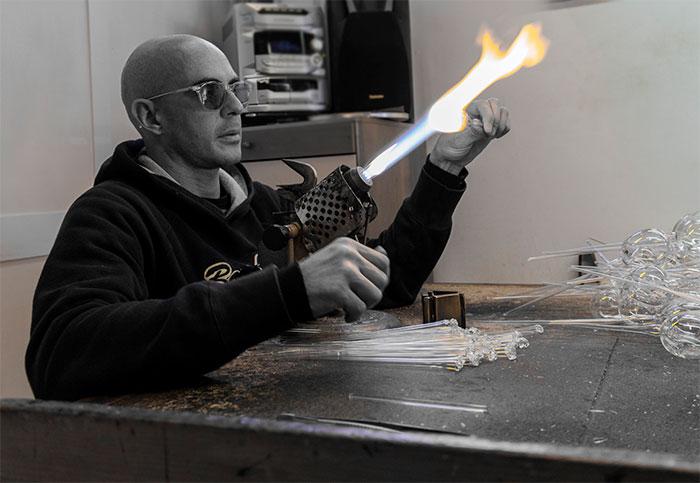
Laser etched glass cubes are a popular and modern form of custom glass art. They can be used to create stunning designs, intricate patterns, and personal messages that can be enjoyed for years to come. The process of creating laser etched glass cubes is a complex one, but the end result is worth the effort. Here is a complete guide on how laser etched glass cubes are made.
Materials
The most important material for making laser etched glass cubes is glass itself. This can be clear, colored, or even mirrored. The glass must be thick enough to be manipulated and have a smooth surface. Digital artwork is also needed to produce the desired design.
Process
The first step in the process is to create the digital artwork. This is typically done through a computer program such as Adobe Illustrator or CorelDRAW. The artwork is then sent to a laser engraver which etches the design onto the glass. The engraver uses the artwork as a template and etches the design into the glass with a high-powered laser.
The engraving process is very precise and can create extremely intricate designs. The laser engraver can also be used to cut the glass into cubes or other shapes. The etching is usually done on the underside of the glass to prevent smudging or damage to the artwork.
Once the etching is complete, the glass cubes are washed and buffed to remove any debris or smudges. The glass cubes are then heated in an oven to temper the glass and make it stronger and more durable.
The final step is to assemble the cubes into a cube shape. This is done by using small adhesive strips or a special glue to bind the cubes together.
Conclusion
Making laser etched glass cubes is a complex process, but the end result is a stunning piece of art that can be enjoyed for years to come. With the right materials and a bit of patience, anyone can create beautiful laser etched glass cubes for their home or office.
etching
Glass etching is a process that involves using a laser to etch a design onto a glass surface. The laser is programmed with the desired design that will be etched onto the glass, and the laser beam is focused onto the glass to create the design. The laser beam is then moved over the glass in a specific pattern or design. This process is used to create intricate patterns and designs on glass cubes and other glass items. The laser beam is able to create intricate and detailed designs that cannot be achieved with traditional methods of etching or sandblasting. The laser beam also allows for a greater level of precision when it comes to creating the designs. The laser etching process can be used to create a variety of different designs, from simple to intricate, on glass cubes. The laser etching process is also relatively quick and cost effective, making it a popular choice for creating unique and eye-catching designs on glass cubes.
Laser Etching Glass: A Step-by-Step Guide
Laser etching glass is a method of engraving or cutting glass using a laser beam as the main source of energy. It is a precise and accurate method of creating intricate designs on glass. The laser beam is directed onto the glass surface and the energy is absorbed by the glass, causing it to vaporize and create a surface texture.
The process of laser etching glass involves several steps. These include prepping the surface of the glass, selecting the design to be etched, setting up the laser machine to etch the design, and finally, etching the design onto the glass.
The first step in the laser etching process is to clean the glass surface to ensure that it is free from dirt, dust, and other impurities. This step is important as it allows the laser beam to penetrate the glass surface more easily.
The next step is to select the design to be etched. This can be done either by creating a custom design or by selecting an existing design from a library. Once the design is selected, the laser machine is set up to etch the design onto the glass.
The laser beam is then directed onto the glass surface and the energy is absorbed by the glass, causing it to vaporize and create a surface texture. The design is then transferred onto the glass. The process is repeated until the entire design is etched.
Finally, the etched glass can be finished with a protective coating such as a varnish or lacquer to protect it from scratches and other damage.
Laser etching glass is an effective way to create intricate and detailed designs on glass surfaces. It is a precise and accurate process that can be used to create beautiful and unique pieces of art.
3D Etched Glass: How It’s Made and Its Benefits
3D etched glass is a type of decorative glass that has been etched with a three-dimensional design. The glass is usually made from a sheet of clear, tempered glass that has been cut to size and then treated with a special chemical etching process. The etching process is used to create the desired three-dimensional design, which is often used for decorative purposes.
The etching process is done using a specialized machine that uses a combination of air pressure and a chemical etchant to create a three-dimensional effect on the glass. The etching machine is programmed with a specific design and the machine then etches the design into the glass. The chemical etchant is then used to further enhance the design.
The benefits of 3D etched glass are numerous. It is a very versatile type of glass and can be used in a variety of applications. It is also very durable and can withstand high temperatures and harsh conditions. The etching process also adds a unique and beautiful look to any piece of glass and can be used for both decorative and functional purposes. It is also very easy to clean and maintain and does not discolor or tarnish over time.
How Laser Glass is Made: A Step by Step Guide
Laser glass is a type of specialized glass used to make laser optics such as lenses and mirrors. It is also used in some medical, scientific, and industrial applications. The process of making laser glass involves several steps, including melting and refining the raw materials, shaping and polishing the glass, and coating it with protective layers.
1. Raw Materials: Laser glass is typically made from quartz, sodium carbonate, and other chemicals, which are combined in a furnace to form a liquid glass. The glass is then heated to a very high temperature until it melts and vaporizes.
2. Refinement: The molten glass is then filtered through a special process to remove impurities and refine the material. The resulting glass is then cooled and shaped into the desired form.
3. Shaping and Polishing: Once the glass has been cooled and shaped, it is then polished and finished. This is done using grinding wheels and other tools to give the glass a smooth surface.
4. Coating: Finally, the glass is coated with a protective layer to prevent it from degrading over time. This coating can be made from a variety of materials, such as titanium dioxide, chromium oxide, or magnesium fluoride.
Once the laser glass has been made, it can be used to create a variety of optical components. These components can then be used in laser systems, medical equipment, and in industrial applications.
3D Laser Acrylic Engraving | Professional Custom Engraving Services
3D Laser Acrylic Engraving is a professional custom engraving service that specializes in creating customized 3D designs for a variety of materials including acrylic, plastics, and metals. The process utilizes a high-powered laser to precisely carve intricate designs into the surface of the material. The results are precise and detailed, with accurate reproduction of any design. The finished product can be used for a variety of purposes, including signage, awards, trophies, and more. This type of engraving is ideal for creating high-quality, custom designs that are impossible to recreate using traditional methods. The process is also fast and efficient, with quick turnaround times and low cost per item.
Custom 3D Glass Etching – Get Professional Results Now!
Custom 3D glass etching is a process that involves the use of specialized tools, equipment, and techniques to create detailed, three-dimensional images on glass surfaces. The process involves using a laser to etch an image into the glass and can be used for a wide range of applications, including decorative pieces, advertising signs, and artwork.
The process begins with designing the image that will be etched onto the glass. The etching process can be done either manually or using a computer-controlled laser etching machine. The laser etching machine is able to precisely control the depth of the etched image, which is important for achieving a high-quality finish. After the design is finalized, the material is placed in the laser etching machine and the laser is used to engrave the image into the glass.
The quality of the finished product will depend on the skill of the technician and the type of equipment used. Professional technicians can achieve excellent results with the right tools and techniques. Additionally, custom 3D glass etching services can be found online, which can help customers achieve the perfect look for their project.
This guide was a great introduction to the process of creating laser etched glass cubes. It provided clear and concise instructions on how to create a beautiful piece of art. The use of detailed diagrams and pictures was especially helpful in understanding the steps. My final comment is that this guide was a great resource for anyone looking to create their own laser etched glass cubes. The instructions are easy to follow, and the end result is sure to impress. My recommendation is to take the time to practice and perfect the process before attempting to create a finished product.
The process of laser etching glass cubes starts with designing the desired image. The image is then etched onto the surface of the glass cube using a high-powered laser. The laser beam is directed onto the glass cube and the laser’s intensity and speed are adjusted to create the desired effect. Once the laser has etched the desired image onto the cube, the cube is then heated in a kiln to permanently set the image. Finally, the cube is cooled and inspected to ensure that the etching has been done correctly.